BIM for Mechanical Pipe and Duct Systems

Mechanical pipes and ducts form the foundation of modern structures that ensure continuous cooling, heating and air conditioning. Making these systems accurate is essential, and this is the area where Building Information Modelling (BIM) is a crucial element. In everything from BIM design to 3D BIM modeling, BIM ensures every pipe, duct and fitting is correctly placed which reduces the risk of the chance of conflicts during construction, and thereby saving time and money.
The Role of BIM in Mechanical Pipe and Duct Design
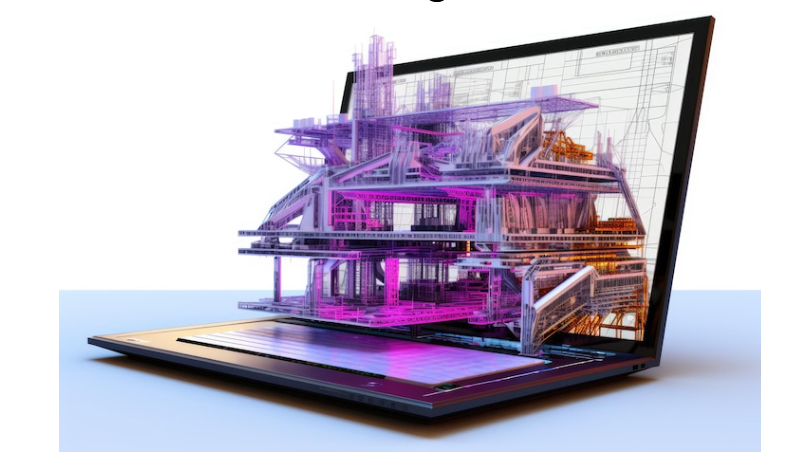
Traditional 2D drawings can lead to errors, misalignments or conflicts on site between electrical, mechanical, or plumbing equipment. By using the 3D BIM modeling engineers and contractors can visualize complex pipe and duct networks prior to construction even begins. This approach to digitalisation helps spot problems early and guarantees an accurate installation.
Improved Accuracy by 3D Coordination
Mechanical systems are rarely in isolation. They require alignment with electrical, structural, as well as plumbing elements. By using 3D coordination, BIM brings all disciplines into one model. This process of collaboration helps to avoid conflicts between pipes, ducts and structural elements and allows teams to complete projects on time without the expense of work.
Integration with Structural BIM Modeling
Ductwork and mechanical pipe have to be planned and coordinated with structural elements such as slabs, beams, and columns. Structural BIM modeling assures that the load-bearing elements of the building are accurately depicted and makes it much easier to design ducts or pipe networks that can fit perfectly within the structure.
Facilitating MEPF Services with BIM
BIM is the foundation of the modern MEPF services. Mechanical and duct systems are connected to plumbing pipelines, electrical wiring as well as fire safety systems to form an entirely coordinated model. This helps reduce delays in the construction and increases efficiency after the building is operational.
Plumbing and Mechanical Alignment
Mechanical systems are often connected to plumbing networks, which makes precision even more critical. Through plumbing modeling services, BIM helps to map the drainage system, water line along with connections to mechanical devices, ensuring seamless coordination between these two.
Why Choose BIM for Mechanical Pipes and Ducts?
Improved design accuracy with BIM designs
Reduced clashes through 3D coordination
Cost savings by preventing rework
Seamless integration with other building services
Enhanced collaboration between design and construction teams
Conclusion
Adopting BIM for mechanical pipe and duct systems is no longer optional—it is essential for efficient construction. By using 3D BIM modeling, structural BIM modeling, and fully integrated MEPF services, project teams can achieve accuracy, speed, and cost-effectiveness. Whether you’re working on HVAC ducts or complex piping networks, BIM ensures your project is built smarter and faster.

Comments
Post a Comment